Iran’s new leader linked to £35 m. London flats
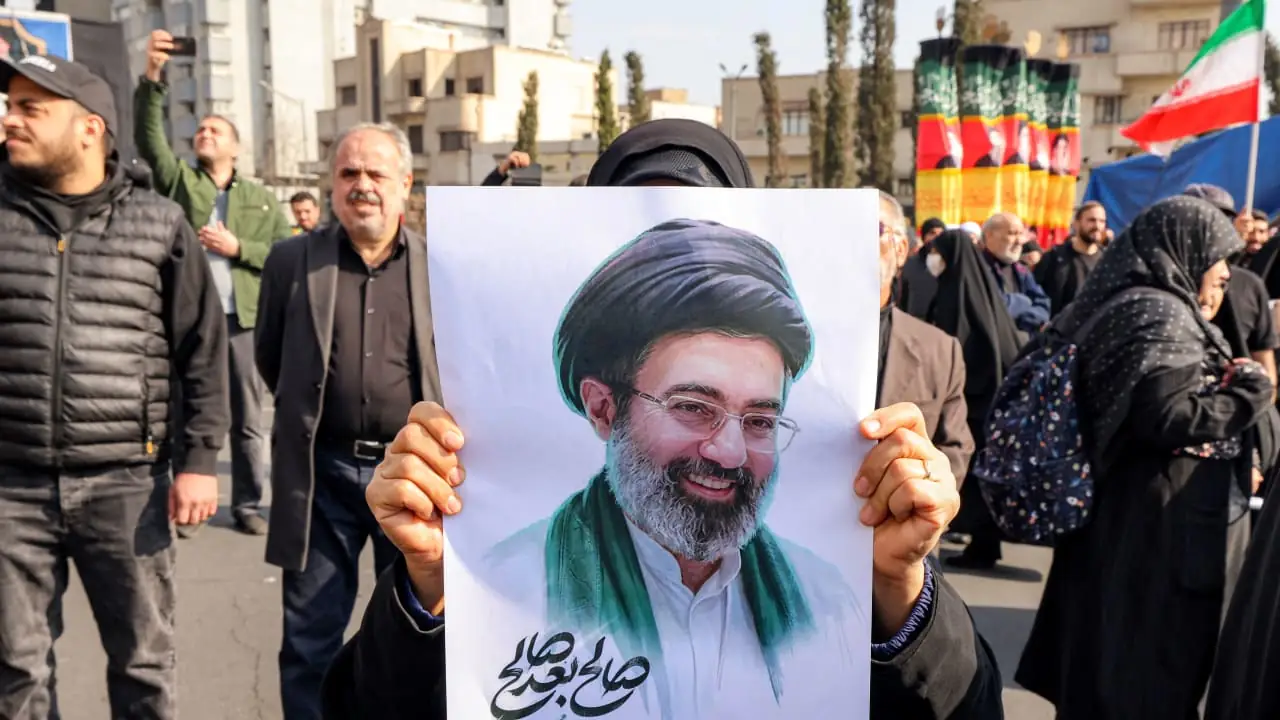
Iranian Supreme Leader Ayatollah Mojtaba Khamenei has bought two apartments in London, for a total of £35 million, next to the Israeli embassy, The Telegraph revealed on Monday. The properties were reportedly purchased with the help of Ali Ansari, 57, an Iranian banker linked to the Islamic Revolutionary Guard Corps (IRGC). Ansari bought the apartments on Khamenei's behalf from 2014 to 2016, the Telegraph reported. He was subsequently sanctioned by the British government in October 2025 for funding the IRGC. Ansari had his assets frozen and was banned from traveling to the UK, the Telegraph noted. “Today we announced sanctions against the corrupt Iranian banker and businessman, Ali Aliakbar Ansari, for his role in financially supporting the activities of the IRGC,” Hamish Falconer, the UK's Middle East minister, said at the time Ansari was sanctioned. "This designation sends a clear message: we will not tolerate threats from the IRGC and will not hesitate to take the most effective measures against them," Falconer added. According to Bloomberg, Ansari was "vital" to the deals. Together, the two apartments are valued at approximately £50 million and are located next to the Israeli embassy in Kensington Palace Gardens, The Telegraph reported. Roger Gherson, Ansari's lawyer, criticized the allegations against him. "Mr. Ansari, in response to damaging allegations in the international media, vehemently denies any financial relationship with Iran's Islamic Revolutionary Guard Corps or the new supreme leader," Gherson wrote in a statement. The rise of Mojtaba Khamenei destroys the façade of a "moderate" Iran The discovery of Khamenei's properties came just after he was elected Iran's new supreme leader on Sunday, marking a defining moment in the Islamic Republic's history. For decades, the regime has attempted to maintain a façade of republicanism intertwined with theocratic rule. However, the father-to-son succession destroys this façade, transforming the regime into a dictatorship and exposing serious vulnerabilities within Tehran's power structures. According to Dr. Tamar Eilam Gindin of the Ezri Center for Iran and Persian Gulf Research at the University of Haifa, the move violates the fundamental principles on which the Islamic Republic was founded. "This is royalty. It's like royal succession. It's the ultimate sign of a dictatorship," he explained, highlighting the historical irony for a nation that overthrew a monarchy 45 years ago.